



Country that lost out to Malaysia on big factories has burgeoning chip sector
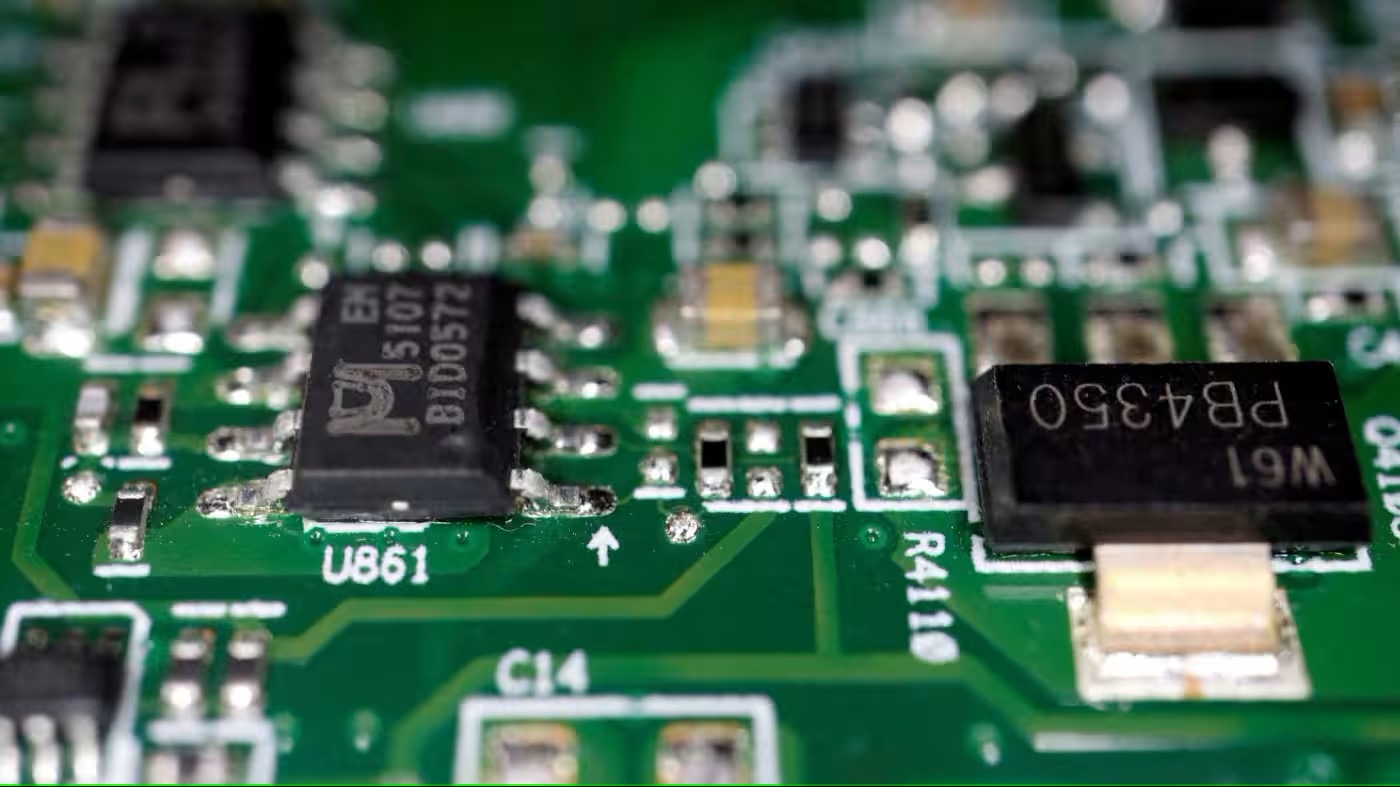
Colleges in Vietnam are unveiling semiconductor classes in partnership with employers like Samsung. © Reuters
HO CHI MINH CITY — Vietnam has pledged tax breaks and other perks to semiconductor companies that help to develop the sector in a Southeast Asian country that is taking on an increasingly crucial role amid the China-U.S. chip war.
Hanoi’s national plan for chips will include industry grants through a science fund and joint state research with private companies like FPT, the science minister said in an interview published Monday. Companies from Nvidia to Samsung are looking to expand their chip businesses in Vietnam, which is slated to receive millions from the U.S. CHIPS and Science Act and already hosts Intel’s biggest global test and assembly factory.
“Vietnam’s semiconductor industry has a low localization rate, research and development activities are not synchronized,” Minister of Science and Technology Huynh Thanh Dat said in an interview on the official government website. “And high-quality human resources in the field of semiconductors is still limited.”
The export-based economy has missed out on billions in investment from the likes of Intel and Austria-based AT&S, which both recently chose Malaysia for major manufacturing rollouts.
At the same time, Vietnam has attracted dozens of companies in the semiconductor field, and several more U.S. players would jump in if the country had enough renewable energy to meet their green goals, Jose Fernandez, U.S. undersecretary of state for economic growth, energy and the environment, told Nikkei Asia.
The communist country needs to strike technology transfer deals with nations dominating the chip sector, Dat said. He did not specify the planned tax incentives but said Vietnam will sweeten policies to bring foreign experts into the workforce, which has faced a recent slowdown in foreign work permits.
Toward that end, colleges are unveiling semiconductor classes in partnership with employers like Samsung.
Vietnam aims to train 50,000 engineers for the industry by 2030. The country has a strong foundation for science and tech education, but a dearth of advanced skills has limited a broader march up the electronics supply chain.
“There are many countries around the world who would love to have [Vietnam’s] ability to do assembly, testing and packaging,” Fernandez said in an interview while visiting Vietnam. It has “the potential to become a powerhouse.”
He added the country is a top target for U.S. CHIPS Act subsidies, which will be a “badge” of confidence. The dollar amount will be based on an assessment expected sometime this month.
Washington and Beijing’s race for tech supremacy has pushed the semiconductor industry and related companies to seek third locations to avoid fallout. In December, Nikkei reported that Apple for the first time is shifting engineering resources to Vietnam for product development of the iPad.
Hanoi is signaling its dedication to the industry by adding it to two state programs, according to Dat. One is the National Fund for Science and Technology Development, which offers grants and other support. The second is the National Product Program, a coordinated effort to create 10 competitive products by 2030, including for export from Vietnam.
Source: asia.nikkei.com